Understanding Renovation Costs: Key Factors That Influence Your Budget
Planning a home renovation? Knowing how to estimate and manage renovation costs is crucial to ensure your project stays within budget and meets your expectations. Renovation costs depend on various elements such as materials, labor, scope of work, and location—factors every homeowner should understand before starting.
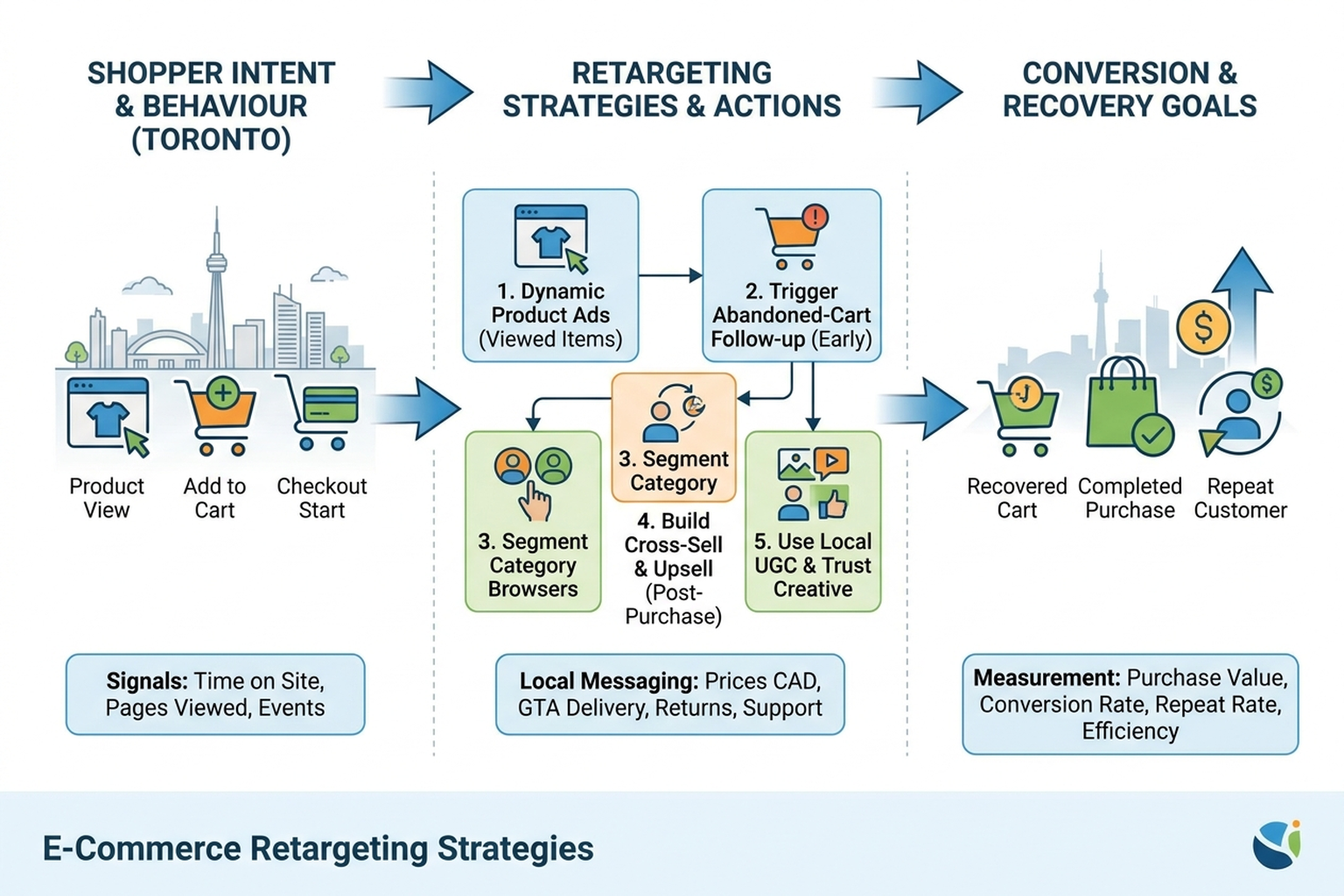
When planning a renovation in Toronto or the GTA, detailed cost analysis helps set realistic budgets. From small bathroom upgrades to major kitchen transformations, having clear insight into expected expenses can prevent unexpected overruns. For comprehensive guidance on digital strategies that complement renovation businesses, see this article on retargeting campaign strategies for Toronto e-commerce businesses, which highlights localized marketing approaches that renovation companies can adopt to attract and retain clients.
Renovation costs are not just about materials and contractor fees. They also include permit fees, design services, contingency reserves, and potential changes during the process. Each project differs, but understanding key cost drivers helps homeowners prioritize and make informed decisions.
Main Components Driving Renovation Costs
Every renovation budget breaks down into several critical categories:
- Materials: The quality, brand, and quantity of materials such as flooring, cabinetry, fixtures, and finishes can vary widely in price.
- Labor: Skilled tradespeople rates fluctuate depending on workload, expertise, and seasonal demand in the local market.
- Scope and Complexity: More extensive projects involving structural changes, plumbing, electrical work, or custom installations will naturally incur higher costs.
- Permitting and Regulations: Municipal permits, inspections, and compliance requirements add to the timeline and budget, especially in cities like Toronto where building codes are strict.
- Design and Planning: Costs for architects, interior designers, and project management may be a fixed fee or percentage of the total budget.
Tracking these cost components early ensures your renovation aligns with financial expectations and reduces stress over unexpected charges.
How Location Influences Renovation Budgets
Toronto homeowners face unique challenges that impact renovation costs. The city’s diverse neighborhoods come with differing permit fees, labor availability, and material delivery logistics. For example, renovating a high-rise condo near downtown may involve different costs than upgrading a detached home in the suburbs due to access restrictions, union labor requirements, or building management rules.
Local preferences also affect pricing. Using Canadian materials labeled with accurate pricing in CAD and sourcing local contractors can sometimes optimize budgets while supporting nearby businesses. Transparency about delivery timelines, shipping fees, and return policies for materials reduces uncertainties.
Additionally, localized renovation companies often provide services tailored for Toronto’s climate and heritage homes, helping prevent future costly repairs due to weather or age-related wear.
6 Practical Strategies to Manage Renovation Costs Effectively
Applying these strategies can help homeowners control expenses and get the best value from their renovation investment.
Strategy 1: Obtain Detailed Quotes and Compare Contractors
Request multiple detailed estimates outlining labor, materials, timelines, and exclusions. Transparent quotes help avoid surprises and identify competitive pricing.
Strategy 2: Prioritize Renovation Phases and Needs
Focus your budget on critical areas first, such as structural repairs or high-use rooms, and defer cosmetic upgrades. Clearly define “must-have” versus “nice-to-have” features to avoid scope creep.
Strategy 3: Choose Materials Wisely
Select durable, locally available materials that fit your style without overspending. Consider mid-range options that balance cost and longevity rather than premium brands that inflate budgets unnecessarily.
Strategy 4: Communicate and Plan for Contingencies
Maintain open communication with your contractor to anticipate changes or issues early. Budget an additional 10-20% contingency for unforeseen expenses such as hidden damage or design revisions.
Strategy 5: Leverage Digital Tools for Budget Tracking
Use budget management apps or spreadsheets to track spending versus estimates in real-time. Regular monitoring helps address overruns before they escalate.
Strategy 6: Review Renovation Impact on Property Value
Invest in upgrades that meaningfully increase home value and appeal, such as energy-efficient improvements or kitchen modernization. This focus can improve return on investment and justify initial costs.
Why Transparent Communication and Documentation Matter
One of the most common causes of budget blowouts is miscommunication or lack of documentation. Ensure all agreements, material specifications, timelines, and payment schedules are clearly outlined in contracts. Keep records of change orders and approvals to maintain clarity and avoid conflict.
Regular site visits and progress reports can help homeowners stay engaged and informed, allowing timely interventions if costs start exceeding expectations.
How to Choose a Reliable Renovation Partner
Choosing the right contractor or design firm profoundly impacts renovation costs and quality. Seek partners who:
- Provide detailed proposals and clear timelines.
- Have good references and a verified track record in your neighborhood.
- Communicate proactively about budget constraints and options.
- Understand local permitting and construction norms.
- Offer warranties or guarantees on their work.
For renovation professionals looking to boost client acquisition digitally, integrating location-focused marketing strategies—like those detailed in this retargeting campaign guide—can increase visibility and drive qualified leads.
Common Budget Pitfalls and How to Avoid Them
Renovations frequently run over budget due to:
- Unrealistic initial estimates: Incomplete or overly optimistic quotes can derail financial planning.
- Scope changes mid-project: Adding features or altering design often leads to higher costs.
- Poor material or contractor selection: Choosing low-cost options without vetting quality can result in rework.
- Ignoring hidden issues: Problems uncovered during demolition may require unforeseen spending.
Managing expectations, planning carefully, and engaging experienced professionals help prevent these common issues.
How Renovation Costs Impact Your Home Value and Lifestyle
While staying within budget is important, consider the long-term benefits of your renovation choices. High-quality workmanship and thoughtful design not only enhance your daily living comfort but also can significantly increase resale value.
Investments in energy efficiency, smart home integration, or durable finishes often pay dividends over time through lower operating costs and higher appeal to future buyers.
Frequently Asked Questions About Renovation Costs
Ideally, start with budgeting during the design phase to align your vision with financial realities and allow time for obtaining accurate estimates and permits.
Yes, always plan for unanticipated expenses like structural fixes, compliance updates, or delays. A contingency fund of at least 10% is advisable.
Choose mid-tier materials, prioritize essential work, avoid frequent changes, and hire reputable contractors who deliver efficient results.
Yes, labor and material costs may increase during peak seasons due to higher demand. Planning for off-peak periods can yield savings.
Final Thoughts: Managing Renovation Costs with Confidence
Successful renovation projects begin with clear cost expectations, careful planning, and selecting trustworthy partners. Use detailed quotes, phased budgeting, and local market insight to guide decisions. Remember to incorporate contingency funds and actively communicate with your contractor throughout the process.
For renovation contractors and businesses aiming to enhance their marketing effectiveness by reaching target local audiences, viewing them through a digital advertising lens—as discussed in this retargeting campaign strategies article—can foster stronger client engagement and cost-efficient growth.