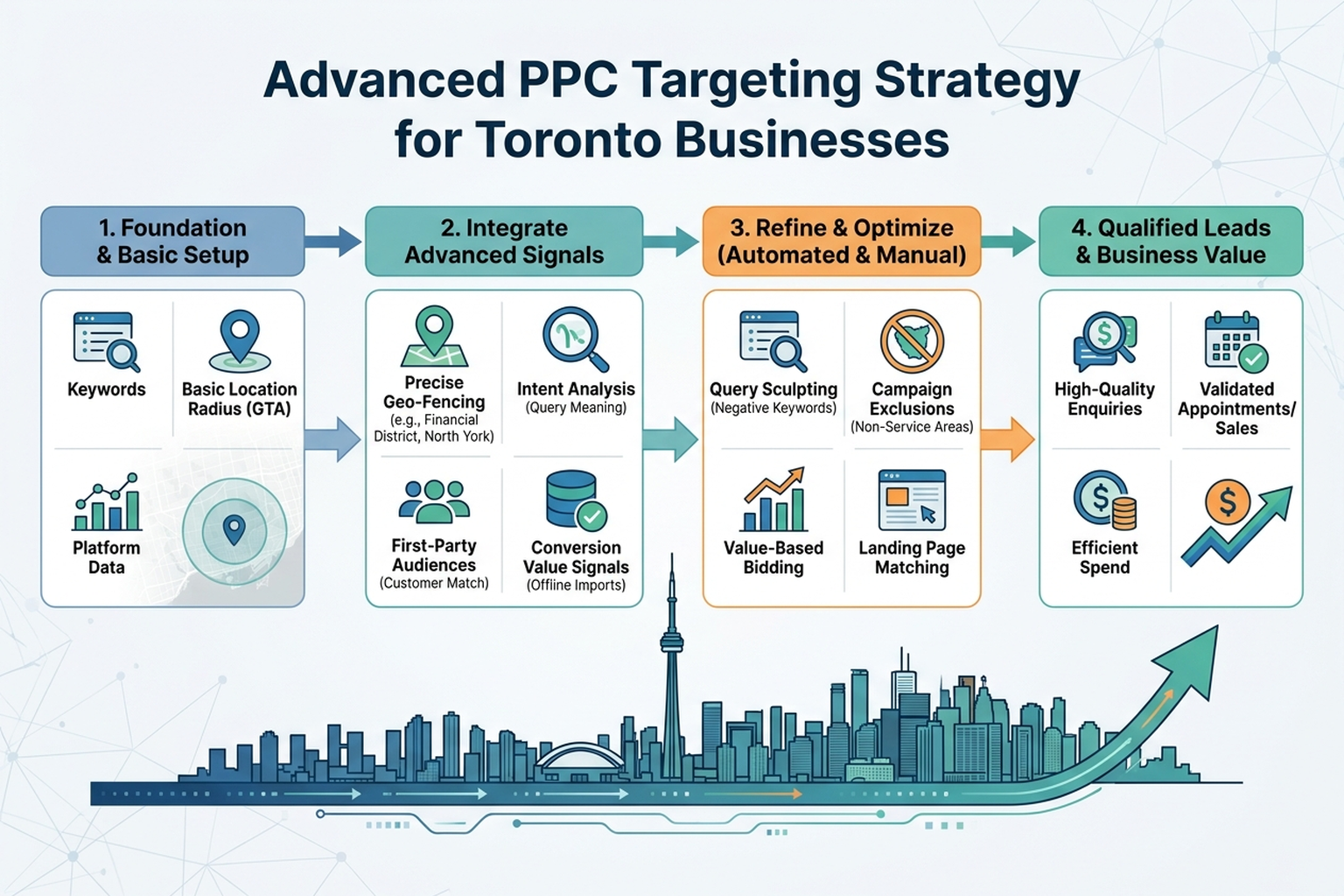
Understanding Renovation Costs: A Strategic Approach for Toronto Homeowners goes beyond simple budgeting. It involves analyzing location-specific factors, project goals, contractor expertise, and value-driven decision-making to ensure your renovation investment maximizes both function and return. Just like advanced advertising strategies target qualified leads, successful renovation projects focus resources on areas that deliver the best value for your home and lifestyle.
For homeowners and property investors in Toronto, renovation cost planning is crucial because expenses vary widely depending on neighbourhood, scope, and material choices. Comprehensive cost tracking and prioritizing renovations with a meaningful impact mirrors how advanced PPC strategies connect ad budgets to qualified leads – both require clear data and thoughtful segmentation to optimize results.

How Location Influences Renovation Costs in Toronto
Toronto’s diverse areas, from downtown cores to suburban GTA neighbourhoods, feature unique cost drivers for renovations. Factors like labour availability, permit fees, and material logistics shift across different parts of the city. Applying a “one-size-fits-all” budget, such as a blanket per-square-foot price, often misses critical variations in local cost structures and regulatory environments.
Similar to how advanced PPC campaigns segment Toronto by meaningful geographic zones, renovation budgets should reflect real operating conditions. For example, renovations in high-demand areas such as the Financial District may require premium contractor rates and quicker timelines, whereas projects in Scarborough might allow for more flexibility in scheduling and cost.
Breaking Down Renovation Costs by Service and Project Scope
Just as PPC campaigns succeed by targeting specific services and customer segments, renovation costs must be broken out separately for kitchens, bathrooms, basements, or exterior work. Each category demands different materials, expertise, and timelines, which directly impact budgets.
- Kitchen renovations: Often among the most expensive due to appliances, cabinetry, and plumbing upgrades.
- Bathroom remodeling: Involves specialized fixtures and waterproofing, with costs varying by finish quality.
- Basement finishing: Adds livable space but may incur expenses related to insulation, egress windows, and permits.
- Exterior enhancements: Including roofing, siding, and landscaping, with significant variance depending on materials and design.
Understanding these cost drivers enables homeowners to prioritize spending in ways that align with their goals and potential return on investment.
Incorporating Value-based Decisions in Renovation Budgeting
Like value-based bidding in PPC campaigns that focus on high-quality leads rather than volume, renovation budgeting should emphasize improvements that increase home value or enhance living comfort most efficiently. Not every upgrade delivers equal benefit; some may look good on paper but fall short when it comes to resale or everyday use.
Setting a clear hierarchy of renovation outcomes helps:
- Primary investments: Structural upgrades, energy-efficient windows, modernized kitchens, or bathrooms that attract buyers and enhance quality of life.
- Secondary improvements: Cosmetic updates such as painting or landscaping that improve curb appeal but cost less.
- Long-term value: Projects that reduce energy costs or maintenance expenses over time, like improved insulation or new roofing.
Consulting with renovation specialists and real estate professionals can guide which projects merit the highest budget allocation to optimize return on investment.
Cost Control Through Detailed Planning and Exclusions
Controlling renovation costs requires clear scope definitions and exclusions – much like how PPC campaigns exclude irrelevant or costly traffic. Homeowners should avoid scope creep by setting firm project boundaries and specifying which upgrades are included or excluded upfront.
- Scope clarity: Define exact rooms, materials, and finishes to avoid mid-project budget surprises.
- Exclude low-impact upgrades: Avoid costly or trendy features that do not serve functional or resale purposes.
- Vendor agreements: Use written contracts that outline timelines, payment schedules, and deliverables.
Regular cost tracking and comparisons against estimates ensure the project remains aligned with financial goals.
Impact of Timing and Seasonal Factors on Renovation Costs
Just as PPC campaigns adjust bids by time of day for highest conversion likelihood, renovation projects experience cost variation depending on timing and seasonality. Demand for contractors peaks in warmer months, often driving prices higher, while scheduling work during off-peak periods can yield savings.
Additionally, project duration impacts financing costs and overall budget. Planning renovations in phases or prioritizing urgent updates can help manage cash flow and minimize disruption.
Leveraging Professional Insights to Optimize Renovation Budgets
Experienced renovators, architects, and project managers provide essential guidance on realistic budget expectations and cost-saving opportunities. They help balance desires with practical constraints, much like how a skilled PPC agency shapes campaigns around qualified leads and conversion data.
Before committing to a renovation plan, ask professionals about:
- Typical local cost benchmarks tailored to your neighbourhood.
- Permitting and inspection fees that may affect timelines and expenses.
- Material options that balance quality, durability, and cost.
- Potential rebates or incentives for energy-efficient upgrades.
Common Renovation Cost Pitfalls to Avoid
Without structured planning, homeowners risk underestimating true costs, leading to overspending or incomplete projects. Common mistakes include:
- Neglecting contingency funds for unexpected issues.
- Overcustomizing beyond market value for the neighbourhood.
- Ignoring permit requirements, resulting in fines or rework.
- Failing to align renovation timing with market conditions or personal needs.
Addressing these risks proactively can protect investment and peace of mind.
How Renovation ROI Differs Across Toronto Neighbourhoods
Return on investment (ROI) from renovations varies widely within Toronto. Some areas see higher market appreciation for updated kitchens and bathrooms, while others may value added living space more. A precise understanding of local real estate dynamics is necessary to ensure renovation expenses translate into increased property value.
Just as PPC campaigns tailor budgets and bidding by neighbourhood to maximize qualified leads, homeowners should match renovation strategies to their specific market segment to achieve the best financial outcomes.
Choosing the Right Renovation Professionals
Selecting trustworthy contractors and designers who understand Toronto’s unique market and regulatory landscape is critical. Look for professionals who demonstrate transparent pricing, clear communication, and a history of completing projects within budget.
- Ask for detailed estimates broken into labor, materials, and permits.
- Verify references and review completed projects similar in scope.
- Confirm who will oversee scheduling, quality control, and budget management.
- Ensure agreements outline payment terms aligned with milestone completions.
Evaluating When to Increase Renovation Budgets
Increasing renovation budgets makes sense only after accurately assessing existing scopes, timelines, and expected returns. Prioritize ensuring contracts, permits, and cost tracking are firmly in place before expanding budgets, similar to how advanced PPC tactics require reliable data before raising ad spend.
- Verify that key project areas align with your goals and offer measurable benefit.
- Review contractor suggestions and quotes carefully before approving additional costs.
- Consider trade-offs between quality upgrades and overall budget impact.
- Track actual spending closely to avoid uncontrolled overruns.
FAQs About Renovation Cost Planning in Toronto
Start with detailed project scopes and get multiple bids from contractors familiar with your Toronto neighbourhood. Include contingency buffers and account for permit fees and seasonal pricing variations.
Generally, yes. Downtown projects may carry premiums for labour availability, permit complexity, and demand, whereas suburban areas might offer more flexible pricing but could incur additional costs for material delivery or travel.
Define clear project scopes, avoid excessive customizations, plan according to contractor availability, and track spending closely with professional oversight.
Spring and summer are busiest and often most expensive. Winter and early spring might offer savings but could extend timelines.
Consult local real estate experts and renovation professionals to understand how specific upgrades influence home value in your area. Prioritize high-impact projects aligned with market preferences.
Related Home Improvement Topics
These resources provide further guidance on managing renovation projects with cost and value focus.
Partner with Experts to Manage Your Renovation Budget
Successful renovations require a blend of strategic planning, reliable cost tracking, and expert guidance. Whether for a simple update or a complex multi-room overhaul, aligning renovation spend with realistic outcomes is key to financial and lifestyle satisfaction.
Reach out to experienced professionals who can help estimate costs accurately, manage timelines, and ensure your renovation project in Toronto addresses both your needs and market expectations.
For insights connecting project planning with measurable value, consider reviewing the original article on advanced PPC techniques that parallels strategic budgeting tactics: Advanced PPC targeting techniques for businesses in Toronto.